A Greener Future for Businesses
The modern business landscape is undergoing a profound transformation as environmental concerns take centre stage in boardroom discussions. Companies of all sizes are re-evaluating their operational footprint, with a significant focus on how goods are enclosed, protected, and distributed. Sustainable packaging has emerged as a critical component of this ecological shift, moving from a niche preference to an industry standard. This evolution reflects a broader commitment to reducing ecological harm while maintaining commercial viability. By rethinking the materials and processes used to deliver products, commercial entities can play a pivotal role in conserving natural resources and mitigating the adverse effects of excessive waste. Adopting these progressive practices offers a tangible pathway towards a more responsible economic model.
The environmental imperative
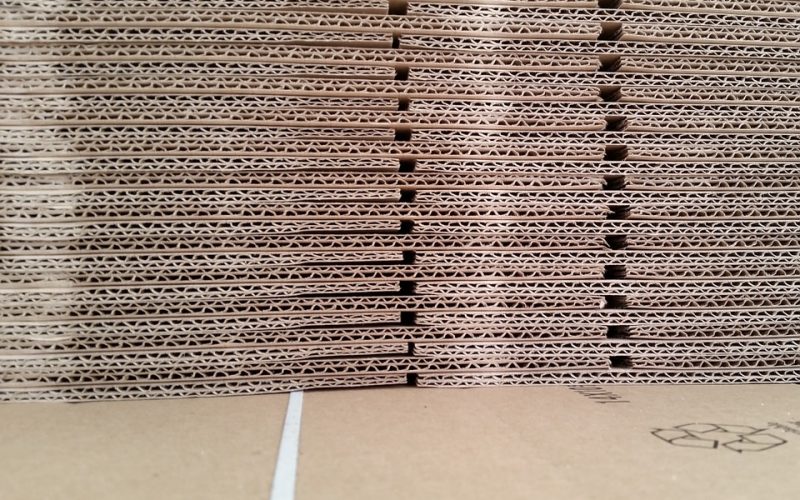
The traditional reliance on single-use plastics and non-recyclable materials has generated a global waste crisis, prompting urgent calls for systemic change. Traditional materials often end up in landfills or oceans, taking centuries to decompose and releasing harmful toxins into the ecosystem. In contrast, sustainable packaging prioritises materials that are biodegradable, compostable, or highly recyclable. Materials derived from renewable resources, such as plant-based bioplastics, corrugated cardboard, and even mycelium from mushrooms, present viable alternatives that naturally integrate back into the earth's cycles. Transitioning to these eco-friendly options dramatically curtails the volume of persistent waste and lessens the reliance on fossil fuels required for conventional plastic production.
Beyond the immediate ecological benefits, shifting towards greener materials aligns seamlessly with changing consumer expectations. Today's shoppers are more informed and selective, frequently scrutinising the environmental credentials of the brands they support. A company that actively minimises its packaging footprint signals a genuine commitment to planetary health, which can foster profound customer loyalty and elevate brand reputation. Consumers are increasingly willing to redirect their spending towards businesses that demonstrate ethical responsibility. Consequently, sustainable packaging serves as both an environmental safeguard and a powerful communication tool, conveying a brand's core values directly into the hands of the purchaser.
Optimising the supply chain
Implementing a greener packaging strategy extends far beyond simply swapping one material for another; it requires a holistic review of the entire supply chain. Businesses are discovering that redesigning packages to eliminate empty space significantly reduces the overall size and weight of shipments. This concept, often referred to as right-sizing, means fewer materials are consumed upfront and more parcels can fit into a single delivery vehicle. Consequently, transportation emissions decrease substantially, leading to a much lower carbon footprint for the entire distribution network. This streamlined approach highlights how environmental responsibility often goes hand in hand with logistical efficiency, creating a mutually beneficial scenario for both the planet and the operational workflow.
Many organisations initially hesitate to adopt sustainable packaging due to perceived financial barriers, assuming that eco-friendly materials will inevitably inflate operational costs. While it is true that certain innovative materials command a premium during their early market introduction, the long-term financial picture paints a different story. Reductions in material usage, lower shipping weights, and decreased waste disposal fees frequently offset the initial investment. Furthermore, as global demand for sustainable materials increases, economies of scale are driving down production costs, making green alternatives increasingly competitive. Governments worldwide are also introducing taxes on virgin plastics and offering incentives for sustainable practices, further shifting the financial logic in favour of environmentally sound packaging choices.
Taking the next steps towards sustainability
The transition towards a sustainable packaging model is an essential adaptation for long-term commercial survival. Businesses that proactively embrace these changes position themselves ahead of impending regulatory requirements and changing market dynamics. Commencing this journey requires auditing current packaging usage, engaging with suppliers who prioritise sustainability, and remaining open to innovative material technologies. By making a steadfast commitment to greener packaging, companies can secure a resilient, profitable, and ecologically sound future, proving that commercial success and environmental stewardship can thrive together.