Choosing the Right Eco-Friendly Packaging
The conversation surrounding sustainable business practices has shifted significantly over the past decade, with eco-friendly packaging taking centre stage for companies worldwide. As awareness grows, consumers increasingly expect brands to offer viable alternatives to traditional single-use plastics. However, navigating the complex world of green packaging can be overwhelming for business owners. Two terms frequently dominate this discussion, often used interchangeably despite representing entirely different end-of-life processes. Understanding the clear distinction between the two is vital for making informed decisions that genuinely benefit our planet rather than inadvertently contributing to the global waste crisis.
Defining the biodegradable breakdown process
Biodegradable materials are designed to break down naturally into non-toxic components like water, carbon dioxide, and biomass over time. This decomposition relies on microorganisms alongside specific environmental conditions including moisture and oxygen. Properly decomposed materials leave no harmful residue. However, a significant caveat accompanies this packaging type, as the term lacks strict regulation regarding the timeframe required for decomposition. An item labelled as biodegradable might take months or decades to break down completely depending on whether it ends up in a commercial facility or a standard landfill.
The mechanics of recyclable materials
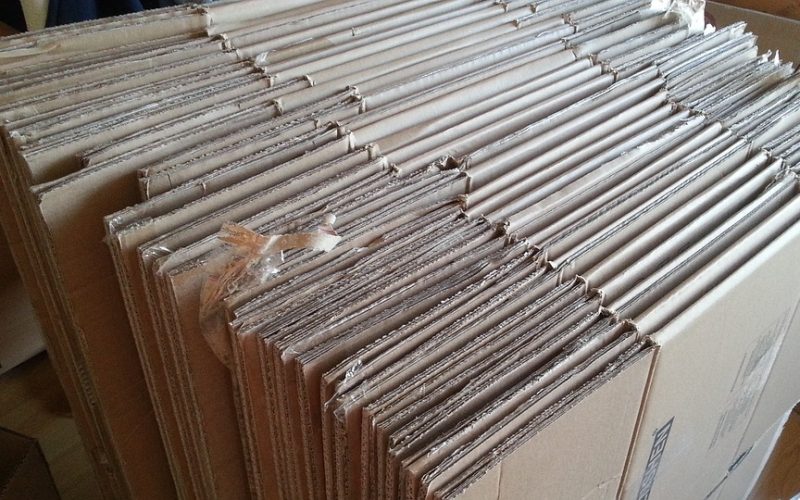
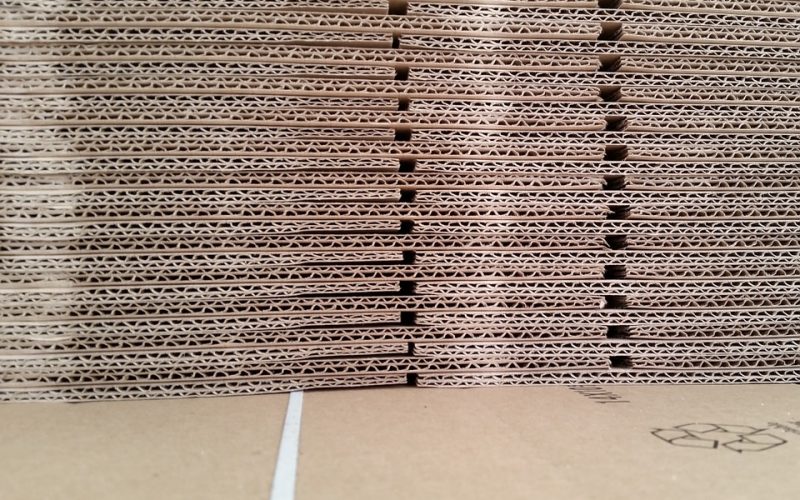
Recyclable packaging operates on a fundamentally different principle, focusing heavily on circularity rather than natural decomposition. Common materials like glass, aluminium, paper, and certain plastics are systematically collected, sorted, cleaned, and processed to create entirely new raw materials. This approach successfully conserves natural resources, dramatically reduces energy consumption, and minimises the volume of waste destined for overcrowded landfill sites. The overall success of recycling programmes heavily depends on reliable local infrastructure and active consumer participation. Contaminated items can easily disrupt the entire recovery process, making it essential for manufacturers to design clear packaging and consumers to follow local disposal guidelines meticulously.
Analysing the environmental impact of each option
When comparing these alternatives, businesses must consider the entire lifecycle of their packaging choices. Biodegradable items seem perfect, yet if sent to traditional landfills, the lack of oxygen prevents proper decomposition, leading to the release of methane. Conversely, recyclable materials possess a robust recovery infrastructure in many nations, allowing materials to be repurposed indefinitely. However, the recycling process requires significant energy expenditure and transportation resources. Choosing between the two requires an assessment of where the product will be discarded and what facilities are accessible to the user.
Making the right choice for your business needs
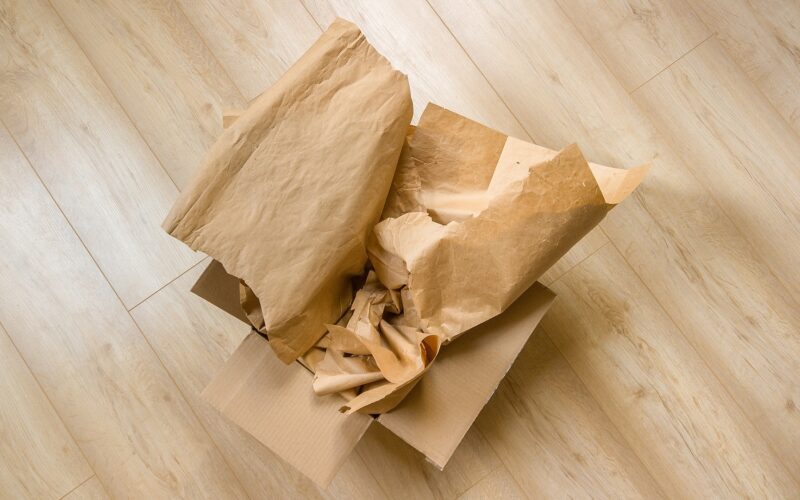
Selecting the most appropriate packaging solution ultimately depends on the specific product type and your target demographic. For food and beverage businesses, biodegradable packaging often makes the most sense, as containers heavily contaminated with food residue generally cannot be recycled. In these scenarios, materials that break down naturally alongside food waste offer a highly practical end-of-life solution. Conversely, for companies selling clothing, cosmetics, or dry goods, recyclable packaging such as sturdy cardboard usually provides a more sustainable outcome. Brands must also take active responsibility for educating their customers on proper disposal methods, as even the most sustainable packaging becomes highly problematic if discarded incorrectly.
Embracing a sustainable future through informed packaging
Transitioning towards greener packaging solutions is no longer just a marketing trend; it is a fundamental operational requirement for modern businesses. By deeply understanding the differences between these prominent eco-friendly options, companies can confidently implement strategies that align with their corporate sustainability goals. While there is no universally perfect choice, evaluating the specific context of your products and the available waste infrastructure ensures you can make a meaningful contribution to environmental preservation. Ultimately, the most successful approach involves prioritising material reduction wherever possible, ensuring that whatever packaging you select leaves the absolute smallest footprint on our natural world.